
Geography
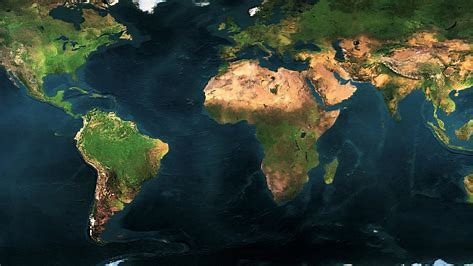
Geography is the study of Earth’s landscapes, environments, and the relationships between people and their surroundings. Our content and research explore the physical features of the planet, human societies, and the dynamic interactions that shape both.
Our goal is to deepen understanding of spatial patterns, global processes, and local impacts—informing policy, planning, and sustainable development.
Core Content Areas
- Physical Geography
Study of natural systems including landforms, climate, hydrology, and ecosystems, and how they interact to shape the physical world. - Human Geography
Examination of cultural, economic, and political systems, and their spatial expressions in cities, regions, and across global networks. - Geographic Information Systems (GIS) and Remote Sensing
Use of spatial technologies to collect, analyze, and visualize geographic data for research, planning, and decision-making. - Urban and Regional Planning
Investigation into the growth, structure, and planning of urban areas, addressing challenges such as housing, transportation, and sustainability. - Environmental Geography
Focus on the connections between people and the environment, including issues like land use change, resource management, and environmental justice. - Development and Globalization
Study of inequalities, economic development, migration, and globalization, with emphasis on spatial impacts and regional case studies. - Climate and Hazards Geography
Analysis of climate patterns, natural disasters, and risk management in the context of vulnerable populations and regions.