
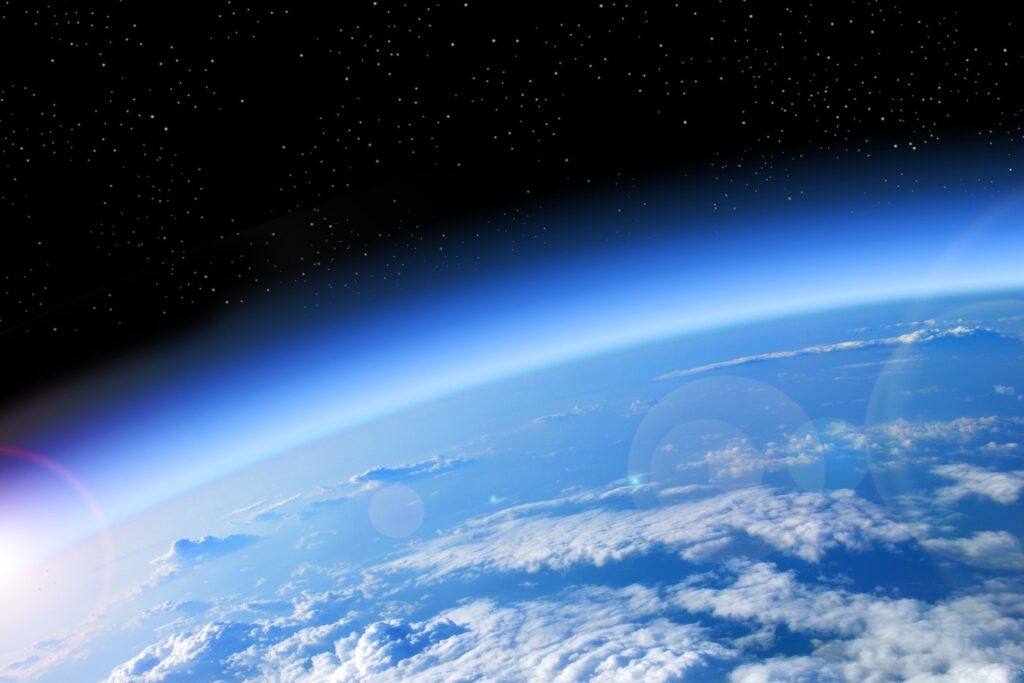
Atmospheric Sciences
Atmospheric Sciences is the study of the Earth’s atmosphere, its processes, interactions with other systems, and its critical role in sustaining life. Our research and content aim to advance understanding of weather, climate, air quality, and atmospheric chemistry to help address global environmental challenges.
Through a multidisciplinary approach that integrates physics, chemistry, meteorology, and environmental science, we provide insights into the dynamics of the atmosphere and its influence on ecosystems, human health, and the planet’s future.
Core Content Areas
- Meteorology and Weather Forecasting
Study of atmospheric dynamics and weather systems to improve forecasting models and severe weather warning capabilities. - Climate Science
Analysis of long-term atmospheric trends, climate variability, and global climate change, including the development of predictive climate models. - Atmospheric Chemistry
Investigation of the chemical composition of the atmosphere, including greenhouse gases, pollutants, and their reactions and transport. - Aerosols and Air Quality
Research into particulate matter and air pollution, with emphasis on health impacts, visibility, and climate interactions. - Boundary Layer and Urban Atmospheres
Study of the lowest part of the atmosphere where human and surface processes interact, especially in urban environments. - Remote Sensing and Atmospheric Observation
Use of satellite data, radar, and ground-based instruments to monitor atmospheric conditions and changes at regional and global scales. - Radiative Transfer and Energy Balance
Examination of how solar and terrestrial radiation influence Earth’s energy budget, weather systems, and climate dynamics.Our research supports decision-makers, educators, and communities with the data and knowledge needed to respond to atmospheric challenges and opportunities. Through innovation and collaboration, we aim to safeguard the atmosphere for future generations.