
Thrust areas
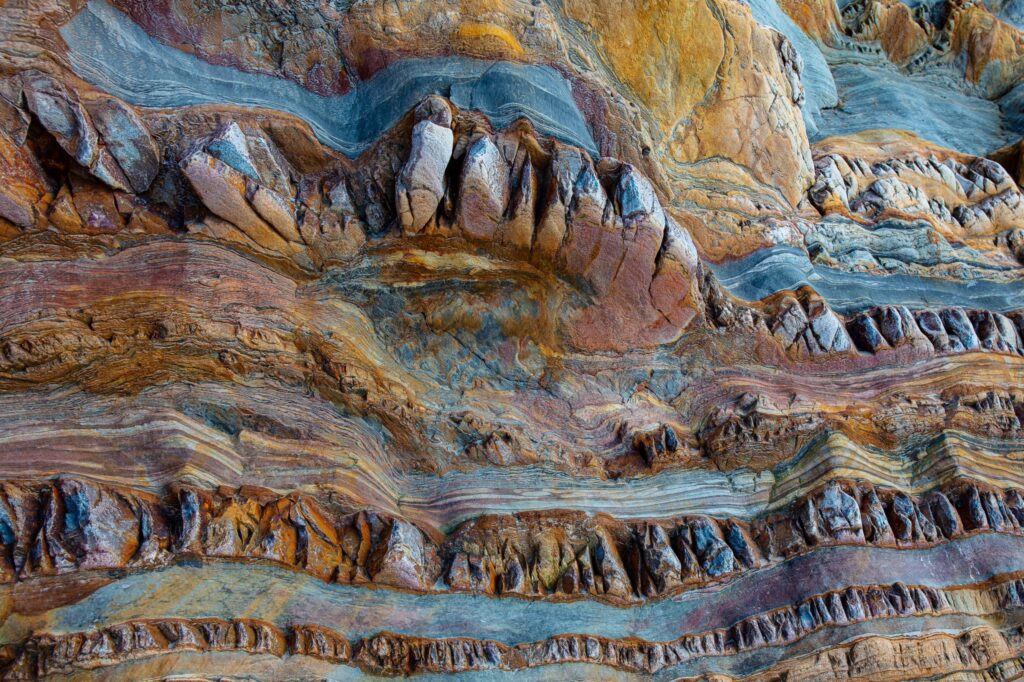
Geology
Our Geology content is designed to explore the dynamic processes shaping the Earth, from its core to the crust, and to investigate the rich history preserved in rocks, minerals, and landscapes. We aim to bridge foundational knowledge
Geography
Geography is the study of Earth’s landscapes, environments, and the relationships between people and their surroundings. Our content
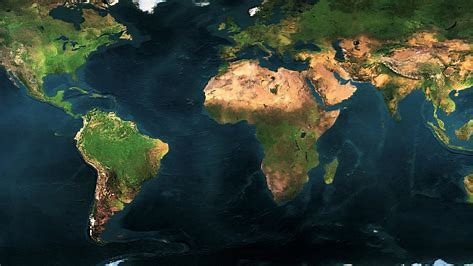

Hydrology
Hydrology is the scientific study of water in the environment—its distribution, movement, and quality across the Earth’s surface, subsurface, and atmosphere. Our hydrology content and research
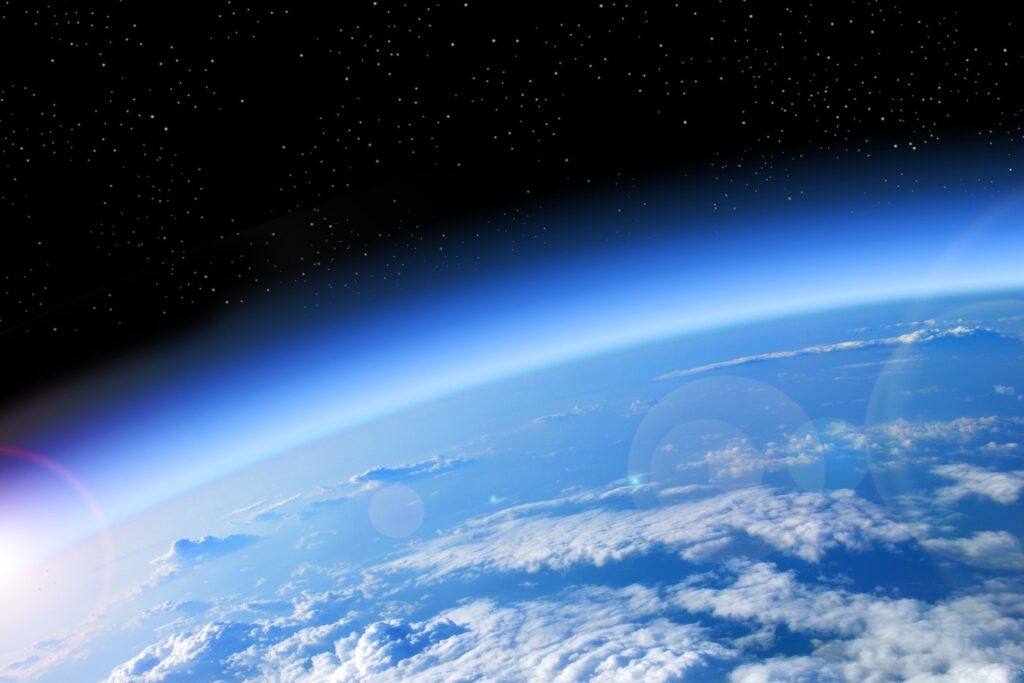
Atmospheric Sciences
Atmospheric Sciences is the study of the Earth’s atmosphere, its processes, interactions with other systems, and its critical role in sustaining life. Our research and content
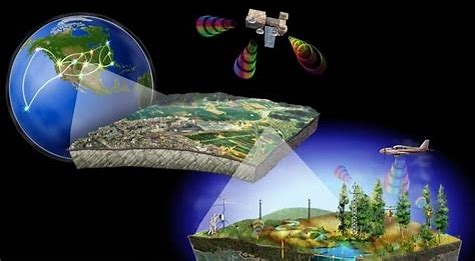
Remote sensing and GIS
Remote Sensing and Geographic Information Systems (GIS) are powerful tools for observing, analyzing, and understanding spatial and temporal patterns on the Earth’s surface. Our content and research focus
Coastal ecosystem
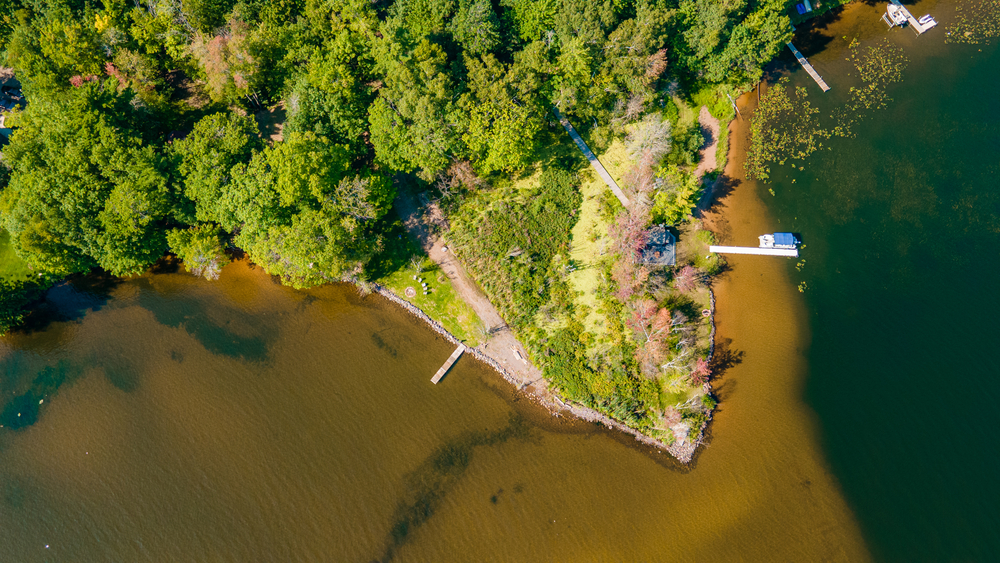
Coastal ecosystems are dynamic environments where land meets the sea comprising mangroves, salt marshes, estuaries, coral reefs, seagrass beds, and sandy beaches.
Climate Change
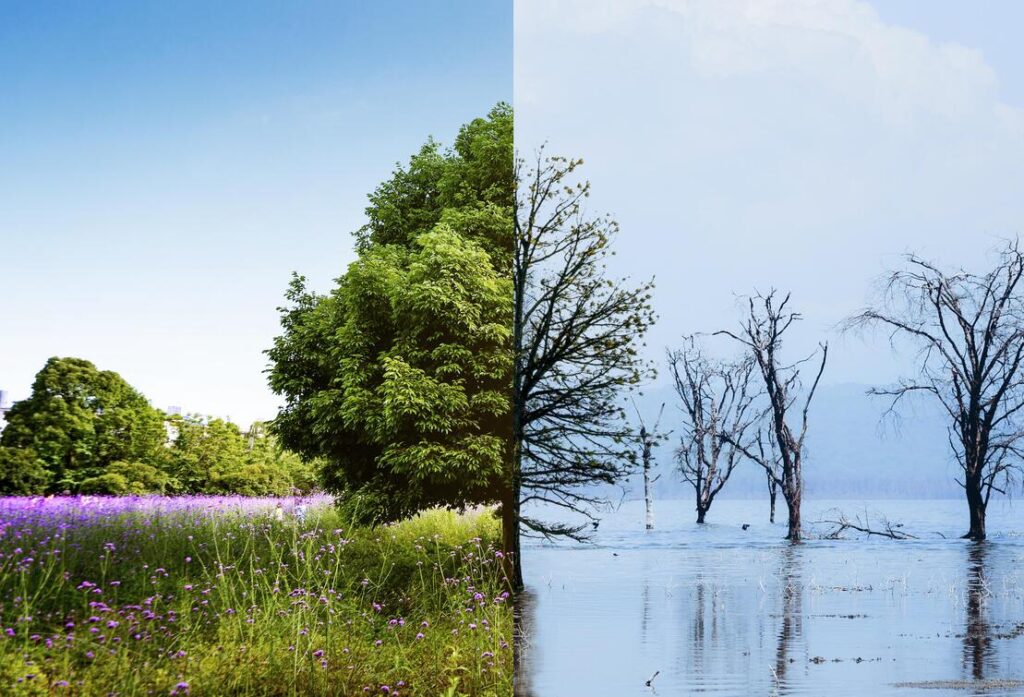
Climate change is one of the most urgent and complex challenges facing our planet. Driven primarily by human activities,
Environmental sciences
Our Environmental Sciences content is built around understanding the complex interactions between natural systems and human activities. With a strong emphasis on
Agriculture
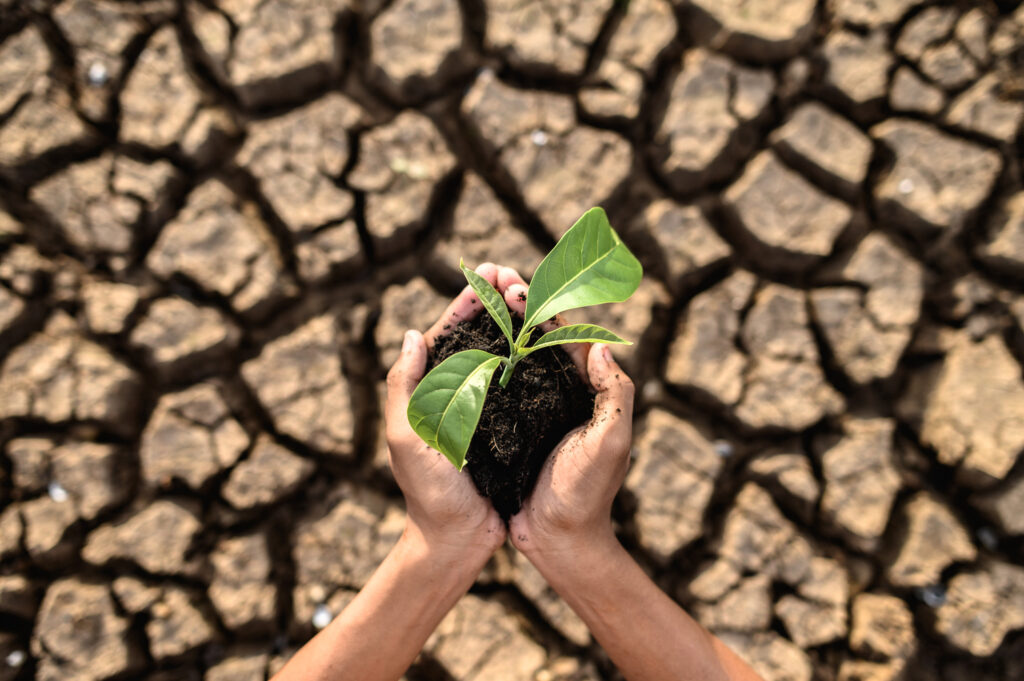
Agriculture is at the heart of human civilization, providing food, fiber, fuel, and livelihoods to billions of people around the world. As global challenges such as climate change, population growth, resource scarcity,
Urban environment
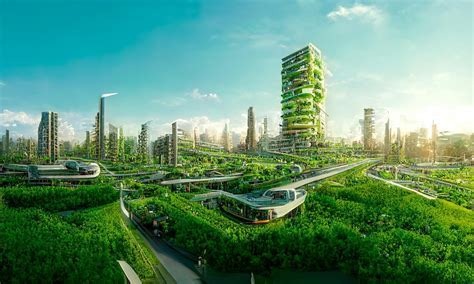
The urban environment is where the majority of the world’s population now resides, with cities rapidly growing and transforming.
Ecology
Ecology is the study of the relationships between living organisms and their environment, focusing on how species interact with each other and with their physical surroundings. This dynamic field plays a pivotal role in understanding biodiversity